Your team

The team behind this comparison

The Plastic Surgery & Aesthetics Medical Center at Chongqing West District Hospital works as four consultants inside a tertiary general hospital, and Tongchun Mao, MD, is the physician responsible for the medical review of this site. A comparison of a surgical route and a device route needs both sides represented by someone who does that work: Dr. Ke He holds the non-surgical half and the skin assessment, Dr. Yongbo Jia the dermatology that sits in front of either route, and Dr. Shaoliang Wang the contours that have already been operated on once.

Specialist profiles

Who reviews this content

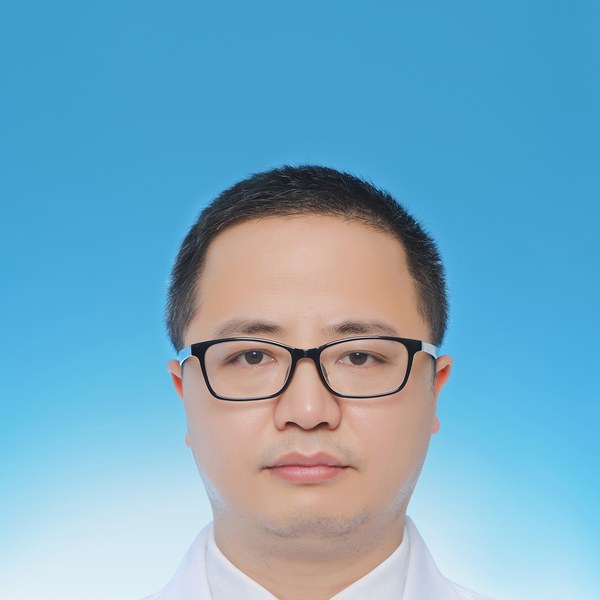
Tongchun Mao

Tongchun Mao (毛彤春)

Deputy Director & Head of Aesthetic Surgery · Vice Chief Physician, Licensed Aesthetic Attending · Lead Physician of This Site

Body contouring · fat removal and its limits · the surgical decision

Dr. Tongchun Mao is Deputy Director and Head of Aesthetic Surgery at Chongqing West District Hospital, and his credential is Vice Chief Physician, Licensed Aesthetic Attending. He is the physician responsible for the medical review of this site, and the one who answers for what it says about the surgical route, including the parts of that route a patient would rather not hear.

These two routes are the ones patients most often merge, and Dr. Mao’s position is that the difference between them is decided by the skin rather than by the technique. An extraction removes fat and leaves the envelope that held it exactly as it was, so a patient whose skin has lost its elasticity can end up with a contour that is smaller and looser at once. He raises that possibility at the first appointment, with the compression and the clot risk, because a patient who has not heard them has not been given a choice.

Clinical focus

  • Surgical body contouring, and how much fat an operation can remove from an area
  • Assessment of skin elasticity before any fat removal is planned
  • Saying so when the skin cannot hold the result an extraction would leave
  • Compression, clot risk and the recovery an operation asks of a patient
  • Honest referral to a device course when a small change is what is wanted

Neither route tightens skin

One route removes fat and the other destroys it, and neither does anything to the skin that contained it. A patient whose main complaint is laxity is describing a skin problem, and a plan that offers fat removal for it is answering a different question. That assessment belongs before the decision rather than a year after it.
Shaoliang Wang

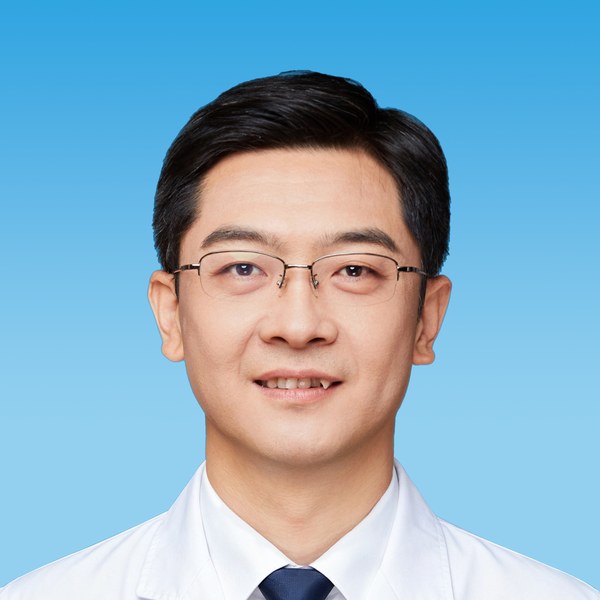
Shaoliang Wang (王韶亮)

Director, Plastic Surgery & Aesthetics Medical Center · Vice Chief Physician, Associate Professor, Doctor of Medicine

Plastic surgery · complex cases · revision

Dr. Shaoliang Wang is Director of the Plastic Surgery & Aesthetics Medical Center at Chongqing West District Hospital. Within the team he provides the surgical perspective and the tertiary-hospital backstop — the assessment when an operation is the honest answer, and the hospital-level care for the rare complication that needs it.

His part on this site is the contour that has already been operated on: a dip or a ridge where fat was taken unevenly, fluid that collected, or a result that changed after weight moved. Correcting a contour is a further operation on tissue that has already been thinned, and whether it should proceed at all is the judgement he is asked for.

Clinical focus

  • Center leadership and multidisciplinary case review
  • Surgical assessment when an operation is the honest answer to descent or excess skin
  • Hospital-based care for the rare complication that needs theatre-level management
Ke He

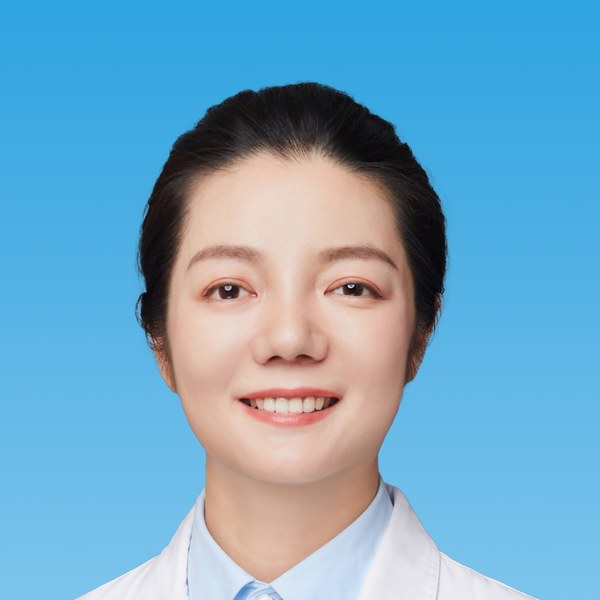
Ke He (何锞)

Deputy Director & Head of Skin & Laser Aesthetics · Attending Physician, Licensed Aesthetic Attending

Skin & laser aesthetics · the skin a result depends on

Dr. Ke He is Deputy Director of the Plastic Surgery & Aesthetics Medical Center and head of its skin and laser aesthetic service at Chongqing West District Hospital. On this site she holds the non-surgical half of the comparison, and she holds it to the same standard as the surgical half: a course is not a stepping stone to an operation and not a consolation for one. Her other part is the skin assessment neither route replaces.

Clinical focus

  • The skin assessment that decides whether either route is appropriate
  • The non-surgical route, its honest limits and the change it does not produce
  • Skin laxity as a problem with its own answer rather than a fat problem
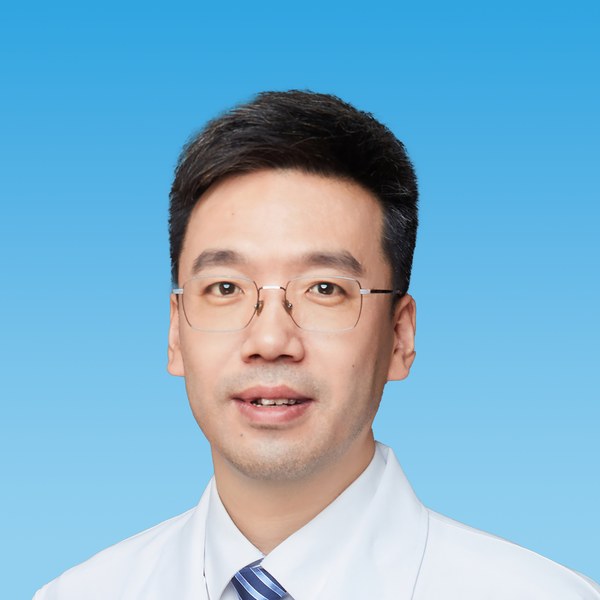
Yongbo Jia

Yongbo Jia (贾勇波)

Deputy Director & Head of Dermatology · Vice Chief Physician, Licensed Aesthetic Attending

Dermatology · assessment and complication management

Dr. Yongbo Jia is a dermatologist within the Plastic Surgery & Aesthetics Medical Center at Chongqing West District Hospital. Within the team his role is medical skin assessment — diagnosing and managing pigment and barrier conditions, and treating skin that a device or an injection has irritated.

Two of his questions sit in front of this decision. The first is whether a change that looks like a fat problem is a skin problem instead, or a medical problem that needs a diagnosis. The second is the skin after either route: bruising and numbness that persist, a surface change over a treated area, or a contour that alters for a reason the operation does not explain.

Clinical focus

  • Medical skin assessment behind injectable treatment plans
  • Diagnosis and management of pigment and barrier conditions
  • Dermatologic care of skin after irritation or a delayed reaction

Start with the assessment, not the route

An assessment begins with two measurements: how much fat sits under the skin, and how well your skin returns when it is released. We will say plainly what each route would change in your case, what neither would change at all, and what we would advise if neither were right for you.

Contact the Team